
Cultural perceptions of luck in global gambling practices
The Concept of Luck Across Cultures
Luck, a multifaceted concept, varies significantly across different cultures. In many Western societies, luck is often perceived as a random force that affects outcomes in games of chance. This perception aligns closely with the philosophy of individualism, where personal effort is seen as a determinant of success or failure. In contrast, Eastern cultures often associate luck with spiritual or ancestral influences, emphasizing the role of harmony and balance in life. For instance, in Chinese culture, luck is intimately tied to the concept of Feng Shui, where the arrangement of space can influence fortune. As you explore various gaming options, you might find that visiting extremespins32.com offers an exciting opportunity to engage with these cultural beliefs.
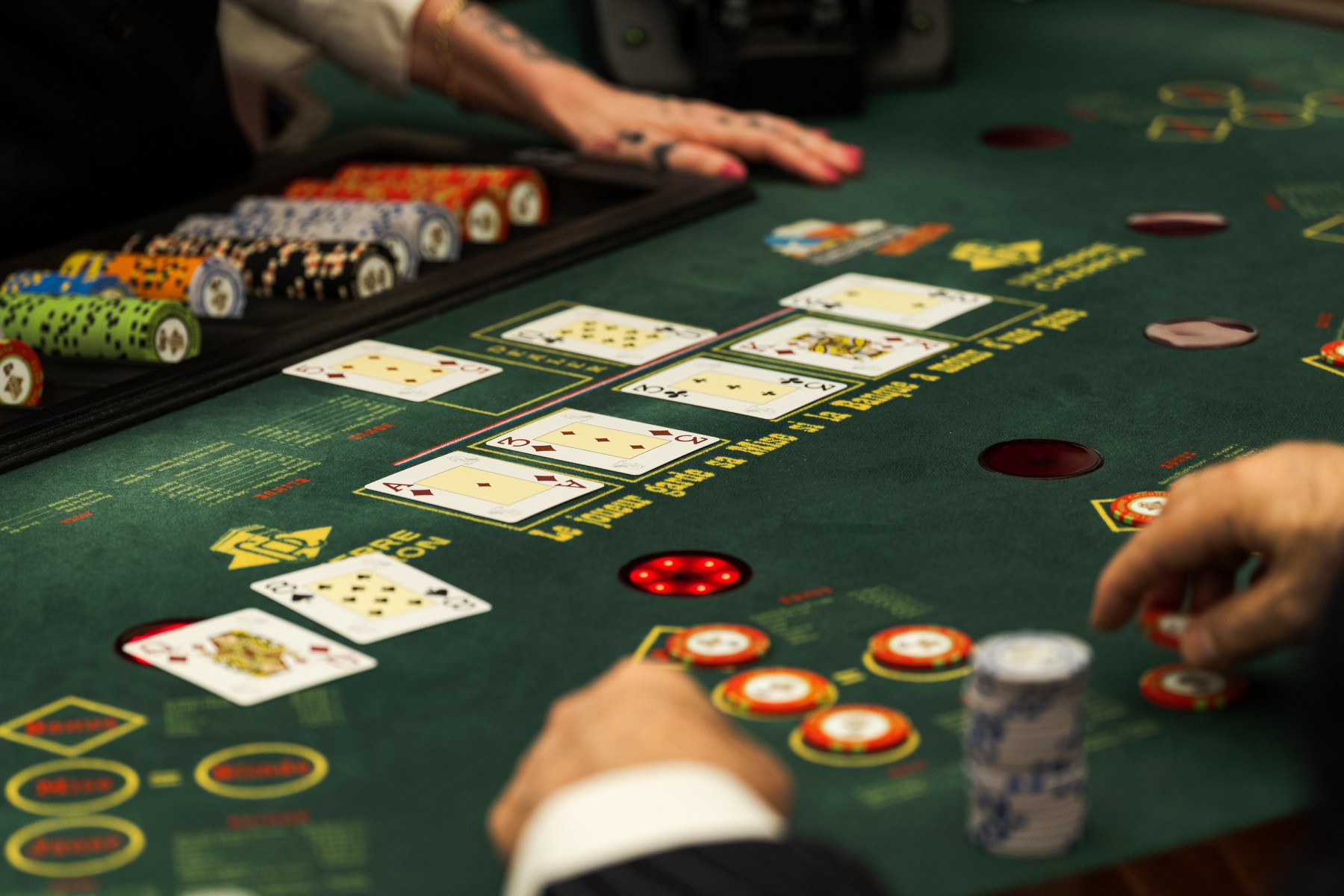
The nuances in these cultural perceptions of luck extend into gambling practices. In the United States, the idea of the “lucky charm” plays a significant role in gambling, from wearing specific clothing to carrying talismans believed to attract good fortune. Conversely, in Japan, gambling is often restricted to specific forms, reflecting a cultural belief that luck is reserved for those who follow strict societal rules and norms. These differing beliefs shape how individuals approach gambling, impacting their strategies and emotional investment.
Moreover, the global rise of online gambling platforms has allowed these diverse perceptions of luck to intermingle. Gamers from different cultural backgrounds can share their beliefs and practices, leading to a richer tapestry of gambling experiences. Understanding these cultural dimensions can not only enhance one’s gameplay but also foster a deeper appreciation of the complex interplay between luck, culture, and gambling practices around the world.
Influence of Technology on Gambling and Luck
The advent of technology has revolutionized gambling practices globally, introducing new elements that alter traditional perceptions of luck. Online casinos and gambling apps have made it easier for players to engage in games of chance without the physical constraints of brick-and-mortar establishments. This shift has led to the emergence of gamified experiences, where elements of skill and strategy are integrated into games traditionally reliant on luck. For example, skill-based slot machines allow players to influence outcomes, blurring the line between luck and skill.
Additionally, technology has facilitated the rise of data analytics in gambling, allowing players to make more informed decisions. For instance, algorithms can analyze past winning patterns and trends, providing players with insights that influence their betting strategies. This data-driven approach may lead some to believe that they can ‘control’ luck, a perception that differs sharply from traditional views where luck is seen as wholly arbitrary. Thus, while technology enriches the gambling experience, it simultaneously alters the cultural understanding of luck.
The role of social media cannot be overlooked in this context. Players often share their experiences, strategies, and superstitions online, creating a global dialogue about luck in gambling. This exchange of ideas fosters a communal understanding that transcends individual cultural beliefs. As players from diverse backgrounds interact, they may adopt new practices and beliefs about luck, further enhancing the dynamic nature of global gambling cultures.
Superstitions and Beliefs in Gambling
Superstitions play a pivotal role in gambling practices around the world, often linked to cultural interpretations of luck. In Western contexts, players may avoid certain numbers, like 13, believing them to be unlucky, while others might rely on personal rituals, such as blowing on dice before rolling. These behaviors reflect a deeply ingrained belief that luck can be influenced through specific actions, a practice that is often dismissed by those who take a more rational or statistical approach to gambling.
In contrast, various Asian cultures bring their own unique superstitions into the gambling sphere. In Chinese gambling culture, the number eight is considered extremely lucky due to its phonetic similarity to the word for wealth. Consequently, players often seek out games that involve the number eight or use it in their betting strategies. Furthermore, many believe that certain colors or objects can attract luck, leading to a myriad of rituals and practices surrounding gambling events.
These superstitions reflect a universal human desire to exert some level of control over chance, providing comfort in the unpredictable world of gambling. As technology continues to evolve, new superstitions may emerge, shaped by the interactive and social nature of online gaming environments. The intersection of traditional beliefs and modern practices will continue to redefine how luck is perceived and utilized in gambling globally.
Regional Variations in Gambling Practices
Regional variations in gambling practices highlight how cultural perceptions of luck shape the types of games played and the behaviors exhibited by players. In Las Vegas, for instance, the vibrant casino culture thrives on the idea of “the lucky streak,” where players believe they can tap into favorable odds through sheer will or divine favor. This notion is often celebrated through themed events and promotions, reinforcing the perception of luck as a significant factor in gambling success.
Conversely, in Nordic countries, gambling is often viewed through a lens of responsibility and moderation. The cultural belief in luck is often coupled with a strong emphasis on social welfare and community responsibility, leading to stricter regulations on gambling. Here, the perception of luck is less about individual gain and more about collective outcomes, which influences the gambling practices and the types of games that are popular.
As globalization continues to influence gambling cultures, these regional practices are increasingly merging. Online gambling platforms often incorporate elements from various traditions, allowing players to experience a wide range of cultural perceptions of luck. This blending of practices fosters an environment where players can redefine their own beliefs about luck, further complicating the cultural landscape of gambling.

Experience at Extreme Spins Casino
At Extreme Spins Casino, players can immerse themselves in a diverse array of gambling experiences that reflect global cultural perceptions of luck. With over 7,000 games, including slots and table games that incorporate elements from various cultures, players can explore different approaches to luck and chance. The user-friendly navigation and robust security measures ensure that every player’s experience is not only enjoyable but also safe.
In addition to the wide selection of games, Extreme Spins Casino provides a vibrant community for players to connect. Through chat functions and forums, players can share their beliefs about luck, strategies, and personal stories, enriching the gaming experience. This communal atmosphere allows players to learn from one another, blending diverse cultural perceptions into a unique gambling experience that transcends borders.
Ultimately, Extreme Spins Casino stands as a testament to the evolving nature of gambling in the digital age. By embracing the interplay of culture, technology, and luck, the platform offers a dynamic environment for players seeking both entertainment and a deeper understanding of the cultural influences that shape their gaming experiences. Join today to explore the endless possibilities within this captivating world of chance.